Orca Apex Flex vs. Athlex Float: Which Orca Wetsuit Should You Buy?
Orca Apex Flex vs Athlex Float: we break down flexibility, buoyancy, price and sizing so you know which Orca triathlon wetsuit suits your swim.
FullKitTri is reader-supported. We may earn a commission from qualifying purchases made through links on this page.
Orca's naming system confuses almost everyone the first time. Here is the decoder: Apex is the premium tier, Athlex is the mid tier. Flex means the suit is built around shoulder flexibility with less buoyancy in the core and legs. Float means the opposite — more lift under the hips and legs to raise your body position. So the Apex Flex and the Athlex Float sit at opposite corners of the range: one is the expensive flexible suit, the other is the affordable buoyant one.
That means this is not really a "which is better" question. It is a question about your swim. If you come from a swimming background, kick reasonably well, and already sit flat in the water, extra buoyancy under your legs does nothing except fight your stroke and make the suit harder to swim in at the front end. If you sink from the waist down, drag your legs, or are still building open-water volume, buoyancy is free speed and the Athlex Float will do more for your split than any amount of shoulder flexibility.
The price gap is real — the Apex Flex sits in premium territory, and the Athlex Float lands in the mid-range where most age-group money gets spent. The Apex is worth it for a specific type of swimmer. For everyone else it is money that would be better spent on a race wheel or a decent aero helmet.
Flexibility vs. buoyancy, plainly
The Apex Flex uses Orca's top-grade Yamamoto neoprene with thin, soft panels through the shoulders and chest so the suit disappears when you rotate and reach. Less material in the core and legs also means less lift — you have to hold your own body position. Strong swimmers describe suits like this as feeling "like skin"; weaker swimmers describe them as "I still sink, but now I'm hot."
The Athlex Float goes the other direction: thicker neoprene through the hips and legs, thinner through the arms and shoulders, so your legs ride higher and you stop dragging a parachute. Rotation is noticeably more restricted than the Apex, particularly on the recovery if you have a high-elbow, wide-catch stroke. Most age-groupers do not notice, because the position gain outweighs the shoulder tax.
In between the two sits the Apex Float — premium neoprene with the buoyant panel layout. That is the pick if you want maximum lift and top-tier flexibility and are not price-sensitive. We have not ranked it first or second here because very few people need to spend at that level, but it is a legitimate third option and we have listed it below for completeness.
Sizing notes
Both suits run Orca's numeric sizing (6, 8, 10 and so on) rather than S/M/L, and Orca sizing is genuinely snug — a triathlon wetsuit should feel tight on land and close to compressive in the chest. The single biggest mistake we see is buying up a size because the suit was hard to pull on dry, then swimming with water pooling in the lower back. Height matters more than weight in Orca's chart; if you are between sizes, go by torso length first. The Apex Flex is the less forgiving of the two — thin, soft neoprene stretches beautifully but is also easier to over-stretch and tear when you fight a size that is too small. Read the wetsuit sizing guide before you click buy, and if you are cross-shopping outside Orca, our ROKA Maverick X2 vs Orca Athlex Float comparison covers the other suit most people put on the shortlist.
The verdict up front
Buy the Apex Flex if you swim roughly 1:25/100m or faster, have a functional kick, and want a suit that gets out of the way. Buy the Athlex Float if you are a mid-pack or developing swimmer, a hip-sinker, or you simply want the best value-per-second in Orca's lineup — which is most triathletes reading this.
How we picked
- Matched the suit to swim ability, not to price tier. Flexibility only pays off if you are fast enough to exploit it.
- Compared panel layouts and neoprene grades across Orca's Apex and Athlex families rather than trusting marketing tier names.
- Weighted durability and resale reality, since thin premium neoprene needs more careful handling over a multi-season life.
- Factored in sizing consistency, because a mis-sized suit is slower than a cheaper suit that fits.
- Used research, spec comparison, and community/race feedback — we have not lab-tested these suits, and we are not pretending otherwise.
Quick picks
| Product | Best for | Price | |
|---|---|---|---|
| Orca Apex Flex — Best for strong swimmers | Swimmers with a solid background and a working kick who want maximum shoulder freedom rather than artificial lift. | $575.95 | View |
| Orca Athlex Float — Best for most age-groupers | Mid-pack and developing swimmers, hip-sinkers, and anyone who wants the biggest swim-split gain per dollar in Orca's range. | $399.00 | View |
| Orca Apex Float — The in-between option | Buoyancy-dependent swimmers who don't want to compromise on neoprene quality or shoulder flexibility and aren't price-sensitive. | $699.00 | View |
The picks, in detail
 #1
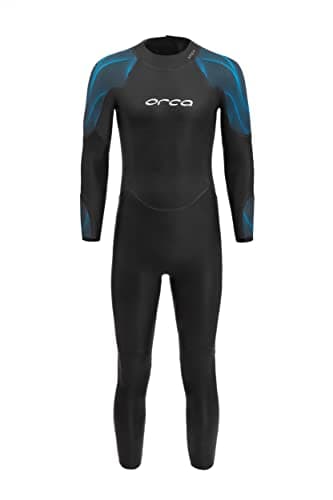
#1Orca Apex Flex — Best for strong swimmers
Best for: Swimmers with a solid background and a working kick who want maximum shoulder freedom rather than artificial lift.
- Premium Yamamoto neoprene with thin, soft shoulder and chest panels for near-unrestricted rotation
- Lower-buoyancy core and legs suit swimmers who already ride flat, so the suit doesn't fight your stroke
- Excellent feel for the water and catch compared with buoyancy-first suits
- Fast, clean exit from the legs in T1 thanks to the slick, thin lower panels
- Women's version available if you're shopping for a female athlete
- Premium price — a big jump over the Athlex Float for a benefit only fast swimmers realize
- Thin, soft neoprene is easier to nick and tear; fingernails and rough handling will shorten its life
- Does nothing for hip-sinkers, who will swim slower in this than in a Float model
- Stock and size availability are inconsistent
This is the suit for the swimmer who has historically complained that wetsuits feel like a straitjacket. The tradeoff is explicit: you give up lift to get rotation, which only makes sense if your body position is already good without help. If you're not sure whether that describes you, it probably doesn't, and the Athlex Float is the smarter purchase.
 #2
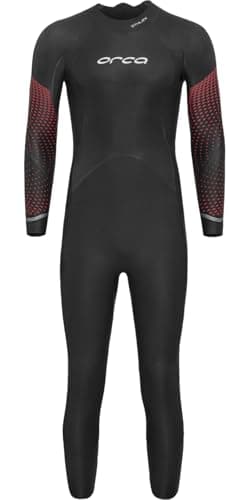
#2Orca Athlex Float — Best for most age-groupers
Best for: Mid-pack and developing swimmers, hip-sinkers, and anyone who wants the biggest swim-split gain per dollar in Orca's range.
- Thicker hip and leg panels lift your lower body and cut the drag that costs most age-groupers time
- Mid-tier pricing that leaves budget for the rest of your race kit
- Thinner arms and shoulders keep rotation acceptable for a buoyancy-focused suit
- Tougher, less delicate neoprene than the Apex line — better suited to frequent lake training
- Same Float panel concept as Orca's premium suits at roughly half the outlay
- Noticeably less shoulder flexibility than the Apex Flex, especially on a wide recovery
- Buoyancy can feel like it flattens out strong swimmers who want to drive rotation from the hips
- Warm in water above roughly 22-23°C where wetsuits are still legal
- Runs snug like all Orca sizing; between-sizes buyers need to check the chart carefully
For the majority of triathletes, this is the correct answer to "which Orca should I buy." The position gain from the leg buoyancy is a bigger, more reliable time saver than shoulder flexibility for anyone swimming above about 1:30/100m, and you keep several hundred dollars in your pocket. Only skip it if you're genuinely a strong swimmer who finds buoyant suits restrictive.
 #3
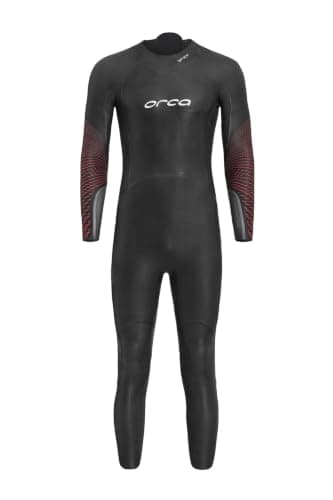
#3Orca Apex Float — The in-between option
Best for: Buoyancy-dependent swimmers who don't want to compromise on neoprene quality or shoulder flexibility and aren't price-sensitive.
- Combines Float-style leg and hip lift with Apex-grade premium neoprene
- More shoulder freedom than the Athlex Float while keeping the buoyant panel layout
- Good choice for long-course racing where a high, relaxed body position saves energy for the bike
- Women's version available in the same family
- Costs substantially more than the Athlex Float for a gain most age-groupers won't measure
- Delicate premium neoprene needs careful handling and rinsing
- Overkill for sprint and Olympic racing on a budget
- Limited size availability at any given time
This is the suit you buy when the Athlex Float's buoyancy is exactly what you want but its shoulder restriction bothers you. It's a legitimate pick — just a hard one to justify unless you're racing 70.3 or Ironman distances often enough to care about swim-leg energy cost. Most people should take the Athlex Float and spend the difference elsewhere.
What to look for
- Buoyancy vs. flexibility, honestly assessed. Film yourself swimming or ask a coach where your legs sit. Sinking legs = Float. Flat and fast = Flex.
- Torso length over weight. Orca's chart leans on height; a suit that's right in the chest but short in the body will pull on your shoulders all race.
- Shoulder panel thickness. Thinner arms and shoulders matter more than overall suit thickness for stroke comfort.
- Leg cuff design and exit speed. Thin, slick lower legs come off faster in T1 — worth real seconds.
- Durability vs. how you'll use it. If the suit lives in a lake three times a week, mid-tier neoprene often outlasts premium neoprene in practice.
- Water temperature rules. Both suits are full-sleeve; if you race warm, a sleeveless option may serve you better.
Common questions
Is the Apex Flex actually faster than the Athlex Float?
For a strong swimmer, yes — the freer stroke translates to a better catch and less fatigue. For a mid-pack swimmer who drags their legs, the Athlex Float is usually the faster suit despite being cheaper. Speed here is athlete-dependent, not tier-dependent.
Can I use these for cold open-water training, not just racing?
You can, but triathlon wetsuits are built for swim speed, not warmth. They're thin in the arms and have minimal thermal lining. For long cold sessions, a swim-specific thermal suit is a better tool.
Should I size up if the suit is hard to get on?
No. Every properly fitted triathlon wetsuit is a fight to put on dry. Use plastic bags on your feet and hands, work it up in stages, and give yourself ten minutes the first time. Size up only if the chest is genuinely compressing your breathing.
What about sleeveless?
Orca and others make sleeveless versions of several models. They're worth considering if you race warm water or hate shoulder restriction more than you care about buoyancy — see our main triathlon wetsuits guide for those options.
Bottom line
- Strong swimmer, good kick, want the suit to disappear: Orca Apex Flex.
- Mid-pack swimmer, hip-sinker, or best value in the range: Orca Athlex Float — the right call for most age-groupers.
- Need buoyancy but refuse to give up flexibility, and budget isn't the constraint: Orca Apex Float.
- First season and not sure you'll stick with it: don't buy either. Start with our wetsuits under $300 guide and upgrade once you know your swim.
Also worth a look if you're cross-shopping outside Orca: the ROKA Maverick X2 and the HUUB Agilis both compete directly with the Athlex Float, and the ROKA in particular has a longer torso cut that suits taller swimmers. Whichever you choose, get the fit right first — sizing beats spec sheets every time.
Written by
FullKitTri Editors
The FullKitTri editorial team reviews triathlon gear across every discipline and budget. Our recommendations are based on hands-on racing experience, independent research, and hundreds of hours comparing products.
- Combined 50+ triathlons completed
- Sprint through Ironman distance experience
More in Swim Gear
Best Swim Training Equipment for Triathletes in 2026
Six swim training tools that actually fix adult-onset swimmer problems: tempo trainer, snorkel, pull buoy, paddles, short fins, and an open-water safety buoy.
Read guideOpen-Water Swim Tips for First-Timers: Conquer the Chaos
Open-water swimming guide for first-time triathletes — how to handle panic, sight efficiently, draft legally, and survive the washing machine of a mass swim start.
Read guideBest Open Water Swim Goggles for Triathlon in 2026
The best open water goggles for triathlon — wide peripheral vision, anti-fog coatings, and tinted lenses compared across sprint, 70.3, and Ironman distances.
Read guideBest Triathlon Wetsuits Under $300 in 2026
The best budget triathlon wetsuits under $300 — how to get 80% of a premium suit's performance for a third of the price, and which sub-$300 wetsuits actually deliver.
Read guide#1 pick
Orca Apex Flex — Best for strong swimmers